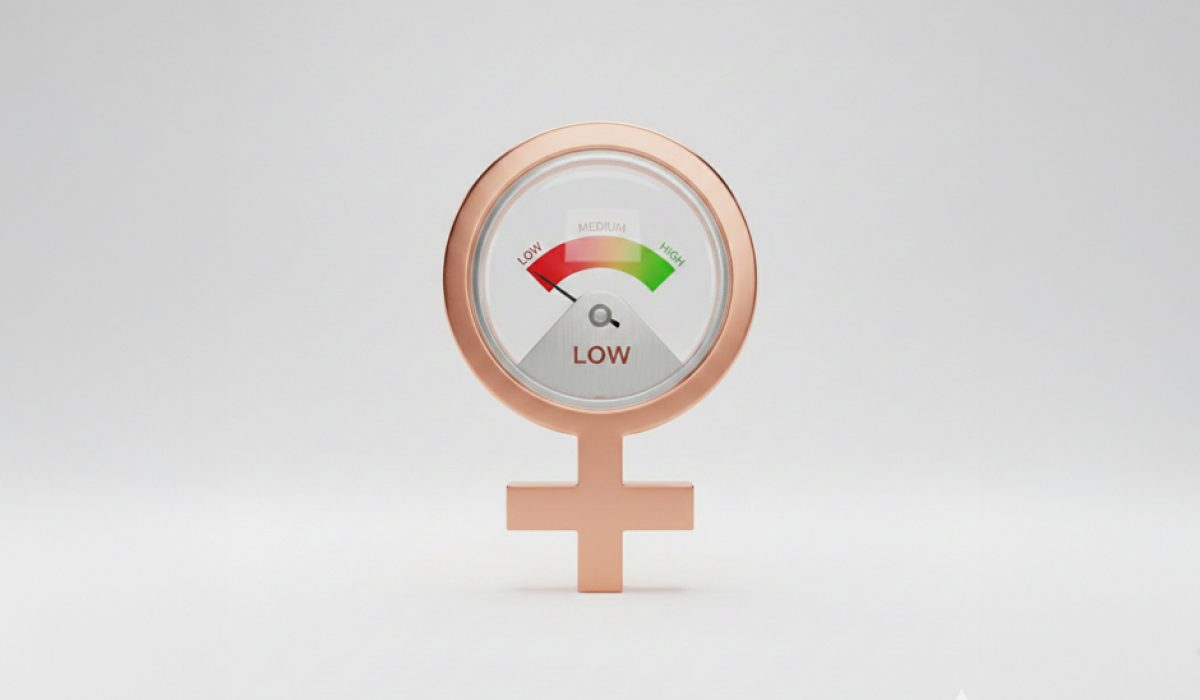
If your sex drive doesn’t feel the way it once did, you’re definitely not the only one. Low libido affects many women, with large studies in the US and the UK revealing that around 50% of women report periods of very low desire. It’s common, even if it doesn’t always feel that way when you’re going through it yourself. Many women quietly assume they’re the only ones dealing with it, which can make the whole experience feel more worrying than it really needs to be.
In most cases, there’s a reason behind the change. And once that reason becomes clear, there’s usually something practical that can be done.
Sexual desire isn’t something that simply appears or disappears overnight. It’s influenced by lots of moving parts, including physical health, hormones, stress levels, emotional wellbeing, and the state of your relationship. When one of those pieces shifts, your libido can slowly drift in the background. Sometimes it happens so gradually that you only notice it in hindsight.
That’s why it helps to step back and ask what might have changed, rather than assuming your sex drive has simply vanished for good.
What counts as low libido?
There isn’t one fixed definition of low libido in women. For some women, it means sexual thoughts have more or less disappeared. For others, it’s a quieter shift – a drop from what used to feel normal.
What matters isn’t a number or comparison; it’s whether the change is bothering you. If it’s affecting your confidence, your relationship, or your sense of self, that’s usually a sign it’s worth paying attention to.
Dr Patricija Kasilovska, Consultant Gynaecologist at The Gynae Centre, explains: “Many women come to me worried that something is ‘wrong’ with them, when actually what they’re experiencing is a very understandable response to physical or emotional changes in their lives. The important thing is not to suffer in silence. Whether it’s hormonal shifts, pain during sex, or stress taking its toll, there are effective treatments available once we identify the underlying cause.”
So if your desire feels different lately, and not in a way that feels comfortable or natural to you, it’s reasonable to explore why.
Physical causes: When your body hits the brakes
Low libido doesn’t always follow a neat pattern. Still, there are a few physical causes that show up regularly in clinics.
Pain during sex
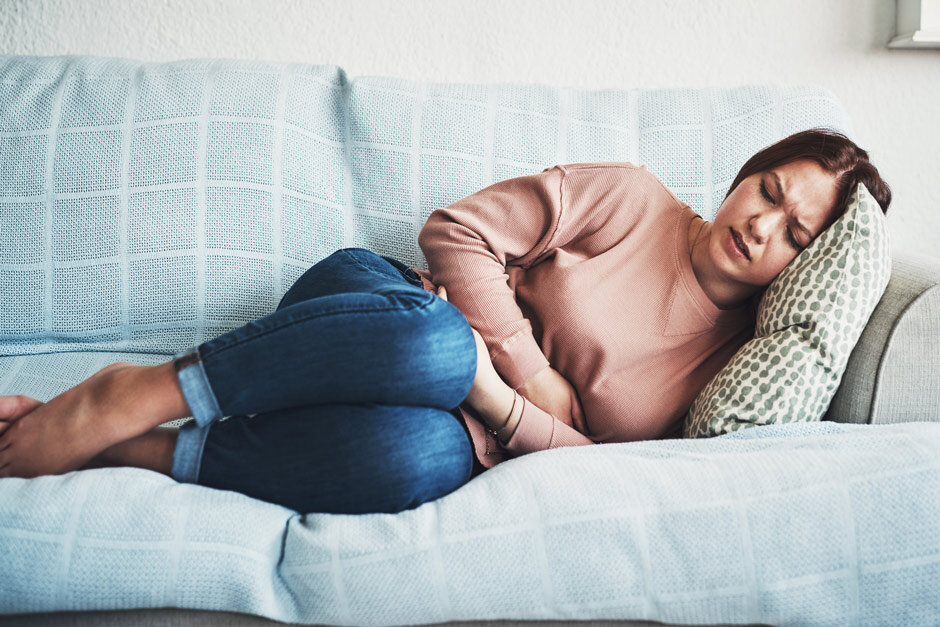
Pain during intercourse is one of the clearest reasons desire can drop. It’s a very human response – if something hurts, you tend to avoid it. Over time, that avoidance can quietly become a lack of interest.
With vaginismus, the vaginal muscles tighten on their own, without you meaning them to, which can make penetration difficult or even impossible. Vulvodynia is slightly different – it involves ongoing pain or sensitivity around the vulva, and frustratingly, it often happens without any clear or visible cause. Both conditions can lead to a frustrating cycle: you anticipate pain, the anxiety builds, the muscles tense, and the pain continues.
It’s not surprising that desire fades in that situation. The connection between chronic pain and sexual difficulties is well known.
The encouraging thing to remember is that once the pain is properly treated, many women notice their libido gradually returning.
Hormonal changes: Perimenopause and menopause
Hormones have a powerful influence on sexual desire. As women move through perimenopause and into menopause, falling oestrogen levels can affect libido in several ways.
One of the most noticeable changes is vaginal dryness, which can make sex uncomfortable. That alone can reduce interest. Research suggests that between 40 and 55% of women experience low sexual desire during menopause, making it one of the most commonly reported symptoms during this stage.
But hormones also affect the brain. Oestrogen plays a role in the neurotransmitters linked to mood and sexual interest. Add in broken sleep, hot flushes, and that constant sense of tiredness, and it’s not hard to understand why desire might take a back seat for a while. Hormone Replacement Therapy (HRT), or other targeted treatments, can often make a real difference, especially when symptoms are clearly linked to hormonal changes.
Stress, fatigue and the mental load
Desire doesn’t usually show up when your head is crowded with half-finished tasks and daily responsibilities. Work pressures, family needs, household admin – when everything feels urgent, sex often drifts quietly down the priority list.
Stress is one of the most common libido dampeners, yet it’s also one of the easiest to overlook. It often just feels like normal life. When you’re exhausted, your body focuses on rest and recovery. Intimacy doesn’t naturally rise to the top of the agenda. Long-term stress can also disrupt hormone balance, which adds another layer to the issue.
Depression and anxiety
Mental health has a strong influence on sexual desire. Depression, in particular, can flatten interest in many parts of life, not just intimacy. Anxiety works a little differently. It keeps the mind busy and tense, which makes it harder to relax and feel present.
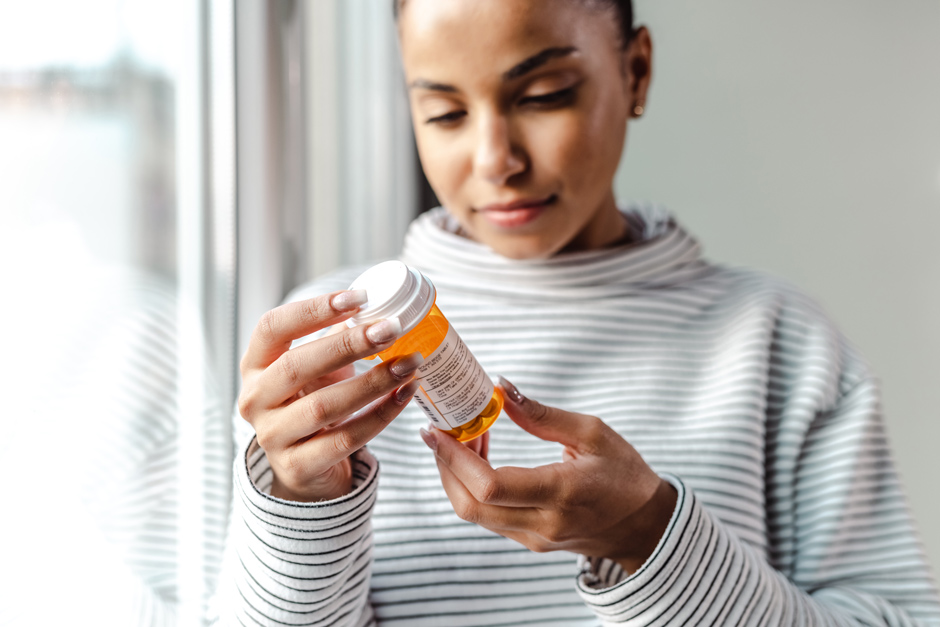
There’s also the medication factor. Some antidepressants, especially certain types, can lower libido as a side effect. If that feels relevant, it’s worth raising with your healthcare professional. Sometimes a small adjustment is enough to improve things.
Relationship dynamics
Sometimes low libido has less to do with the body and more to do with what’s happening in the relationship itself.
Lingering tension, old arguments that never quite got resolved, emotional distance, or even that quiet feeling of being overlooked can all chip away at desire over time. Intimacy tends to follow the emotional climate of a relationship, so when things feel strained or disconnected, it often shows up in the bedroom as well, even if neither of you talks about it directly.
Finding your way back to desire: What you can do about low libido
Low libido isn’t something you just have to accept. Very often, there’s a clear cause, and once that cause is addressed, things begin to shift.
If sex is painful, a gynaecological assessment can help identify conditions like vaginismus or vulvodynia. If hormones are playing a role, HRT or other treatments may restore comfort and interest. And if stress is the main issue, small changes, like better sleep, regular movement, or simple and stress-management techniques, can make a real difference.
In many cases, the best approach combines several strategies. Physical treatment might sit alongside counselling, relationship support, or sex therapy. A specialist who considers the full picture can be particularly helpful here.
When to seek help for low libido
You don’t have to wait until the situation feels unbearable. If your libido has changed and it’s bothering you, or you’re avoiding intimacy because of discomfort, that’s reason enough to speak with a professional.
At The Gynae Centre, we understand these conversations can feel awkward at first. But concerns about sexual health are extremely common, and there’s no need to feel self-conscious. We see women with these concerns all the time, so nothing you bring up here will feel unusual or out of place. Our consultants have years of experience in helping women regain their confidence and desire. The focus is on listening first, then working out what might actually help, in a space that feels comfortable rather than clinical or awkward.
For some, that means checking for physical causes. For others, it’s a conversation about hormones, treatment options, or just getting some clear, reassuring answers. Whatever the starting point, the aim is the same – to help you feel more at ease in your own body again. Sexual wellbeing is part of overall health, even if it doesn’t always get talked about that way, and it deserves proper attention.
To make an appointment, call 020 7580 8090 or book an appointment online.